
Gibson Osteopathy can help patients suffering from Arthritis
In the UK approximately 8.5 million people suffer from painful joints attributed to osteoarthritis. X-ray studies show that at least 50% of people older than 65 years old have evidence of osteoarthritis.
In 2010 there were 116,000 hip and knee joint replacements in the UK, at a cost of £890 million pounds.
National Institute for Health and Care Excellence. NICE clinical guideline and quality standard: Osteoarthritis final scope. Published date: 12 February 2014
What is Arthritis?
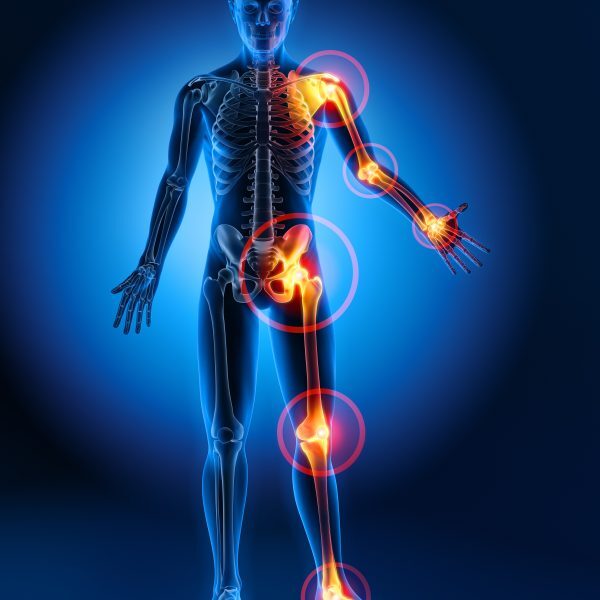
There are many different types of arthritis. Some are the result of wear and tear, which naturally develops within our joints over time (osteoarthritis). Others are the result of autoimmune conditions in which the body’s immune system attacks certain ligaments, bones or joint capsules within the body.
Symptoms of Arthritis
The symptoms of each arthritis is different, but the following list are often found:
- Joint pain
- Joint stiffness
- Visible changes to the affected joints
- Discomfort in the mornings and after periods of prolonged rest
- Varying degrees of disability and mobility issues
Treatment of Arthritis
There are many different medications prescribed to sufferers of arthritis. They range from pain killers and anti-inflammatories, to medications which act as disease modifying drugs which prevent the body attacking the affected joints.
Osteopathic treatment
Sufferers of arthritis are often routinely assessed by rheumatologists and their GP’s.
As a primary care practitioner I see a cross section of the population. This includes patients diagnosed with confirmed arthritic conditions and those who have yet to start their journey of arthritic diagnosis/care.
In order to best assist those suffering with arthritis and assess their joint health and design safe and effective rehabilitation programmes, your osteopathic appointment will include:
- Medical case history
- Postural assessment
- Assessment of your mobility and strength
- Clinical examination using orthopaedic testing, to provide you with a comprehensive diagnosis.
- An explanation of your diagnosed injury/injuries, the predicted number of treatments required and how long your recovery will take.
Mechanical, wear and tear osteoarthritis can respond well to manual therapies often found in osteopathic treatments, when coupled with rehab exercises and ice/heat therapies.
Marks, R. et al 1997. Symptomatic Osteo-arthritis of the Knee: The Efficacy of Physiotherapy. Physiotherapy Journal. Volume 83, Issue 6, June 1997, Pages 306-312
The aim of osteopathic treatment is to improve each patient’s overall strength and mobility where possible. This can help improve each patient’s quality of life within the realistic parameters of their condition, including patients suffering from arthritis.
An exercise rehabilitation programme will be designed for you, aimed to help further improve your joint mobility, strength and balance whilst you’re at home.

Why choose Gibson Osteopathy?
 One of the leading Osteopaths in Essex
-
Professional, reassuring and supportive approach
-
Specialist in treating spinal and sports injuries
-
Treatment tailored to you and your lifestyle and goals
-
Trusted by professional athletes
-
Registered with the GOsC and iO Member
The Principles of Gibson Osteopathy:
-
Every patient and injury is unique
-
Treat the patient and not the injury
-
Tailor each treatment plan to the patient
-
Resolve the root cause of the injury, not just the pain
-
Help each patient understand their injury by giving them knowledge, advice and exercises to prevent re-injury
-
Plus the belief that prevention is better than cure and early diagnosis is key for quick recovery and better treatment outcomes
Osteopathic treatment can help with:
Osteopathic treatment is highly regarded and widely recognised for treating a variety of muscular, ligament, nerve and spinal conditions. Such as:
-
Back pain
-
Sciatica
-
Neck pain and stiffness
-
Trapped nerves
-
Shoulder pain and Rotator cuff injuries
-
Headaches caused by the neck and tension
-
Knee pain
-
Hip pain
-
Plantar fasciitis
-
Foot and ankle injuries
-
Postural issues
-
Muscle and joint stiffness